
A Promise Every Father Should Keep
Why would a daughter devote herself to caring for a father who abandoned her when she was just a little girl? Why would she leave her own home and put her life on hold for a man who had not been there when she needed him most?
I have thought about these questions often, especially as I watched my daughter face one of the most painful experiences of her life. What she did in her father's final days taught me something about love, forgiveness, and the bonds between parents and children that can remain even after years of hurt.
The Little Girl Who Did Not Want Her Father to Leave
My daughter was only five years old when her father left us. As he backed his car out, she threw herself onto the hood and begged him to stay.
Imagine being that little girl, trying to understand why someone you love is leaving. She was too young to understand the problems between her parents, but she understood that her father was going away, and she did not want him to leave.
My ex-husband remarried quickly, and over the years, he had seven wives. He struggled with alcohol, lived a chaotic life, and neglected his health and his responsibilities to our children.
I knew I had to rebuild our lives, so we moved to California to make a fresh start. I wanted to give my children a better future, but moving away did not take away my daughter's longing for her father.
She still missed him.
Over the years, she called him and held on to the promises he made about money, gifts, and visits. Each promise gave her another reason to hope that this time would be different, that perhaps he would finally show up and become the father she wanted him to be.
But the promises remained unfulfilled.
Eventually, she had to face the painful truth that her father was not going to keep his word. I can only imagine how difficult it was for her to let go of the hope she had carried since childhood.
A child should not have to keep wondering whether a parent will remember them, call them, or show up when they say they will. Every child deserves to feel that they matter, that they are loved, and that the people they depend on will do their best to be there.
Forgiveness Does Not Mean Forgetting
As the years passed, I began rebuilding my own life. I reached a point where I was ready to let go of much of the anger I had carried toward my ex-husband.
I also began to recognize that I had made mistakes of my own. I could not change our past, but I could decide how I wanted to move forward, and I no longer wanted anger to be the thing that defined our relationship.
After 25 years, I bought him a round-trip ticket so he could visit his children and grandchildren. It was an opportunity to put some of the past behind us and spend time together as a family.
We laughed, remembered old times, and shared moments that reminded me of the life we had once had together. For a while, it felt as though we had found a way to move beyond the hurt that had separated us.
Forgiveness did not mean that what happened no longer mattered. It meant I was willing to stop letting the past determine every feeling I carried into the future.
I learned that I could acknowledge the pain, accept that some things would never be repaired in the way I had hoped, and still choose compassion. Sometimes, forgiveness begins when we stop waiting for another person to become who we needed them to be.
When the Past Meets the Present
Years later, we attended our 50-year class reunion in Chicago. Our children were there, and we also used the occasion to bring the family together for a reunion.
Our daughter tried to reconnect with her father. I believe she wanted to find some common ground with him and perhaps build a relationship that had been missing for so much of her life.
But their differences were too great to overcome. Even with the years that had passed and the opportunities they had to reconnect, they could not find a way to bridge the distance between them.
As I looked back on his life, I began to wonder whether there might have been reasons for some of his behavior that we had never understood. I came to consider the possibility that he may have been on the autism spectrum, although we never had a diagnosis to confirm that belief.
This possibility gave me another way to think about some of his choices and struggles. It did not erase the pain he had caused our family, but it helped me replace some of my anger with compassion for a man whose life had been difficult and complicated.
I could recognize his limitations without pretending that our children had not been hurt. Both things could be true at the same time.
That was an important lesson for me. We can try to understand someone without excusing the harm they have caused, and we can feel compassion for another person while still acknowledging the pain experienced by those who loved them.
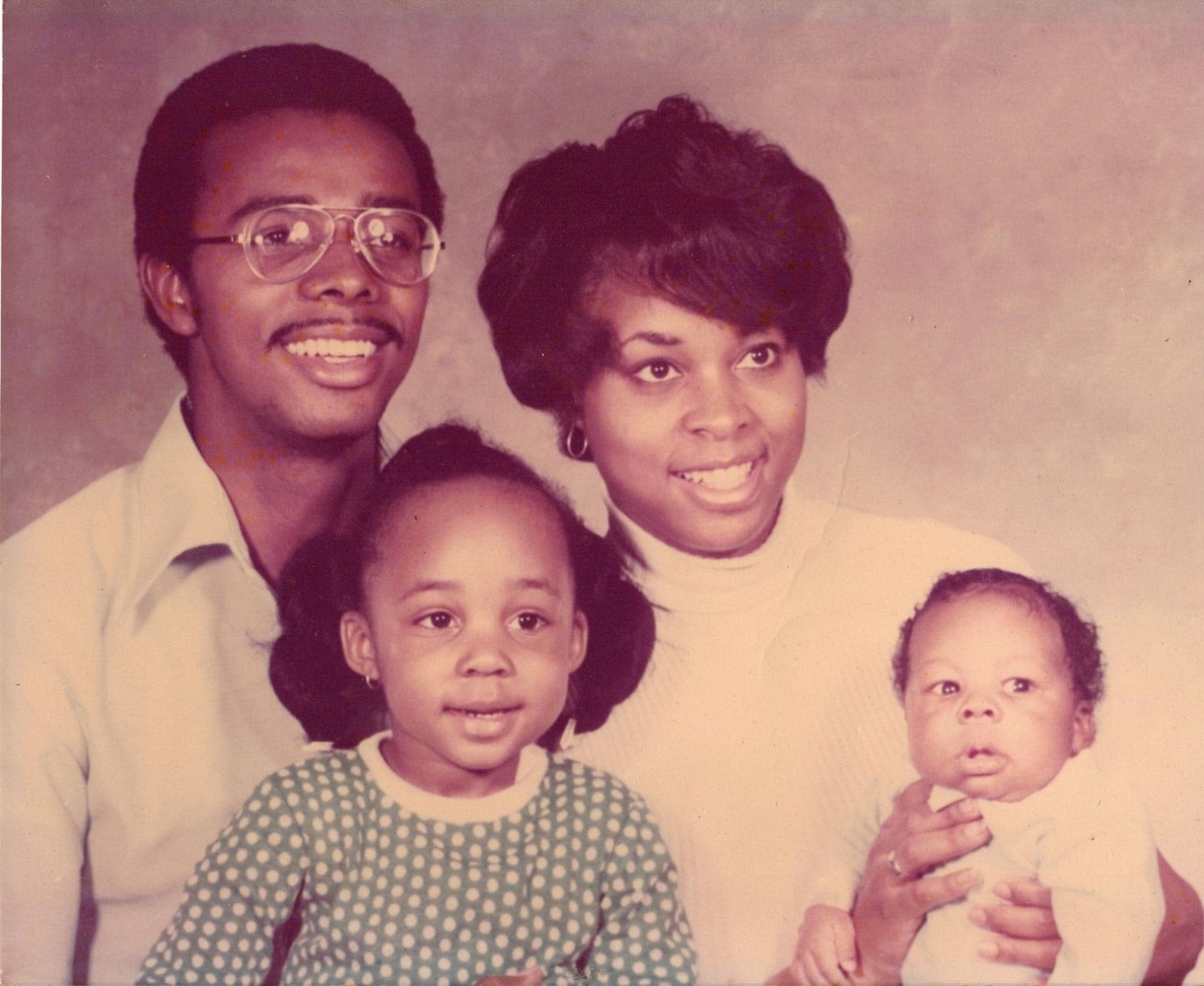
His Final Days
Recently, our daughter and son learned that their father was neglected and dying alone in a nursing home. The news was heartbreaking, especially because he was only six months older than I was.
The man who had once stood six feet tall had become skeletal. He could no longer stand or swallow, cried out when someone touched him, and was barely conscious.
He had reached a point where he no longer remembered our daughter's name.
Think about that for a moment. The little girl who had once thrown herself onto the hood of his car to beg him to stay was now facing the reality that her father was nearing the end of his life, and he could no longer recognize her.
She had spent years waiting for him to keep his promises. She had experienced the disappointment of a father who was not there for her, and she had tried to reconnect with him as an adult.
Yet when she learned that he was dying alone, she made a choice that I will never forget.
She would not let him die alone.
Our daughter left her home in North Carolina and went to Chicago to care for the father who had not cared for her in the way she needed when she was growing up. She put her own life on hold to make sure he received the care and attention he deserved during his final days.
I did not fully understand why she felt she needed to do this, especially after everything she had experienced. But I respected her decision, even as I watched her face the pain of caring for someone who had caused her so much disappointment.
I shared her grief and mourned the man I had once loved. Whatever had happened between us, he had been part of my life and the father of our children, and seeing him in that condition was deeply painful.
Our daughter made sure he received hospice care and supervised the staff so that his needs would not be overlooked. She took responsibility for making sure someone was paying attention to him, that he was receiving the care he needed, and that he was not left to face the end of his life without compassion.
She was there for the father who had not been there for her.
I still think about the strength it took for her to make that choice. She could not change her childhood, make her father keep his promises, or recover the years when she had needed him most.
But she could decide how she wanted to respond to the situation in front of her. In his final days, she chose to offer care, even though their relationship had been marked by years of hurt.
I cannot tell her what that choice should mean to her, and I would never suggest that every child must care for a parent who has caused them pain. Each family has its own history, and everyone has to make decisions that are right for their own circumstances.
What I know is that my daughter acted according to what she felt was right. Her decision showed me that love can remain complicated, and that compassion does not always depend on whether someone has earned it.
What Our Children Carry Into Adulthood
As I reflect on our family's story, I think about how deeply a parent's actions can affect a child. Children may grow up, build their own families, and create successful lives, but the memories of being abandoned, forgotten, or disappointed can remain with them.
A child who repeatedly hears promises that are never kept may begin to question whether they matter. A child who waits for a parent who never arrives may carry that disappointment into other relationships, sometimes expecting the people they love to leave them too.
These experiences do not determine every child's future, and people respond to childhood pain in different ways. But the relationship we have with our parents can shape what we come to believe about love, trust, and our own worth.
Sometimes, those beliefs become Invisible Rules.
An Invisible Rule is a belief we accept about ourselves or the way life works, often without realizing how much it influences our choices. A child who feels abandoned may grow up believing that they have to work hard to earn love, that they cannot depend on anyone, or that they must always be the one who takes care of others.
We may carry these beliefs for years without recognizing where they began. We may think they are simply part of our personality, when they are actually ways we learned to understand and respond to painful experiences.
Understanding these patterns can help us become more aware of how our past affects our present. It can also give us an opportunity to decide which beliefs we want to carry forward and which ones we are ready to question.
I think about my daughter and the choice she made for her father. I wonder what she carried in her heart as she sat beside him, knowing that the relationship she had wanted as a little girl would never become what she had hoped.
I also know that her decision belonged to her. It was not something I could decide for her, and it was not something I needed to fully understand in order to respect it.
Sometimes, the most loving thing we can do for another person is allow them to make their own choices while offering them the care and support they need.
A Message to All Fathers
If you are a father, I want you to think about the promises you make to your children. They may seem small to you, but to your daughter, a promised visit, a phone call, or a few hours of your time can mean more than you realize.
When you tell her you will be there, do your best to show up. When life gets difficult and you cannot keep a promise, be honest with her rather than leaving her to wonder what happened or whether she did something wrong.
Your daughter needs to know that she matters to you. She needs to feel seen, valued, and remembered, not just when it is convenient, but through the ordinary moments that make up a life.
You do not have to be a perfect father. You will make mistakes, and there may be times when you do not know what to say or how to handle a difficult situation.
What matters is that you take responsibility, make an effort to repair the relationship when you have caused hurt, and keep showing your child that your love is something she can trust.
Do not assume that you will always have more time. Do not wait for a family reunion, a serious illness, or the final days of your life to show your daughter that she matters.
Be present. Keep your promises. Let your daughter know she is loved.
The relationship you build with her today may become one of the most important parts of the life you share. Please do not wait until it is too late.
